

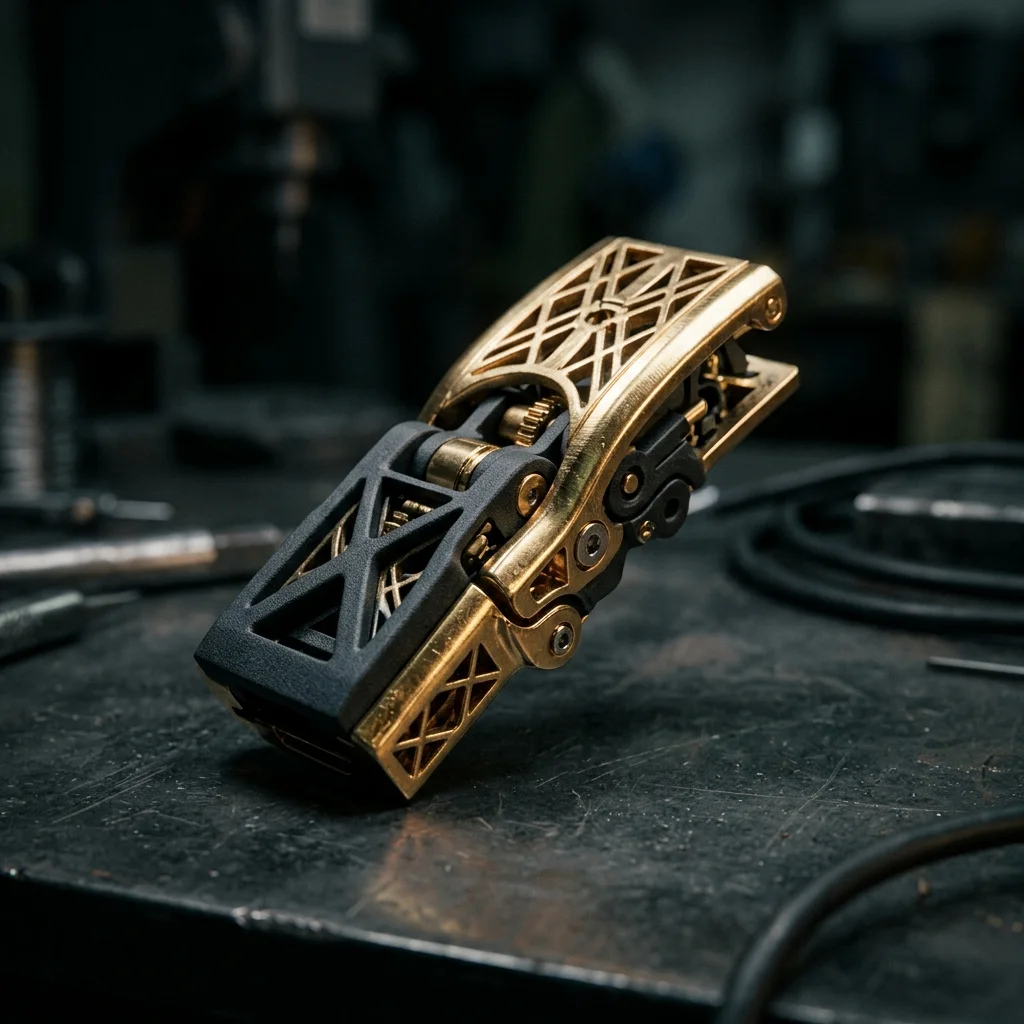
This guide covers the most important aspects of 3D printing fashion and jewelry spare parts. From initial design to the final part, the process requires attention to detail and the right choice of technology.
Recommended Technologies and Materials
Choosing the right technology (FDM, SLA, PolyJet) and materials (PLA, Resin) is critical to success.
Pros:
- Capability for rapid iterations
- High level of customization
- Low costs for single units
Cons:
- Post-processing time is required
- Limitations in some mechanical properties
Workflow
Step 1: Design and model preparation in CAD software. Step 2: Slicing and setting print parameters. Step 3: The actual 3D printing process. Step 4: Support removal and final finishing.
Expected Costs
The investment can vary based on the chosen technology and production volume:
- Printer: 1500
- Materials: 300
- Software: 200
- Total: 2000
Frequently Asked Questions (FAQ)
Interactive Analyzer for 3D Printing Fashion And Jewelry Spare Parts | Guide
Select a profile to view detailed analysis.
The full picture
This article is one page from The Big Book of 3D Printing: 704 illustrated pages covering every technology, material and fix in one reference.
Read it on Kindle →Engineer, author of The Big Book of 3D Printing and additive manufacturing expert