

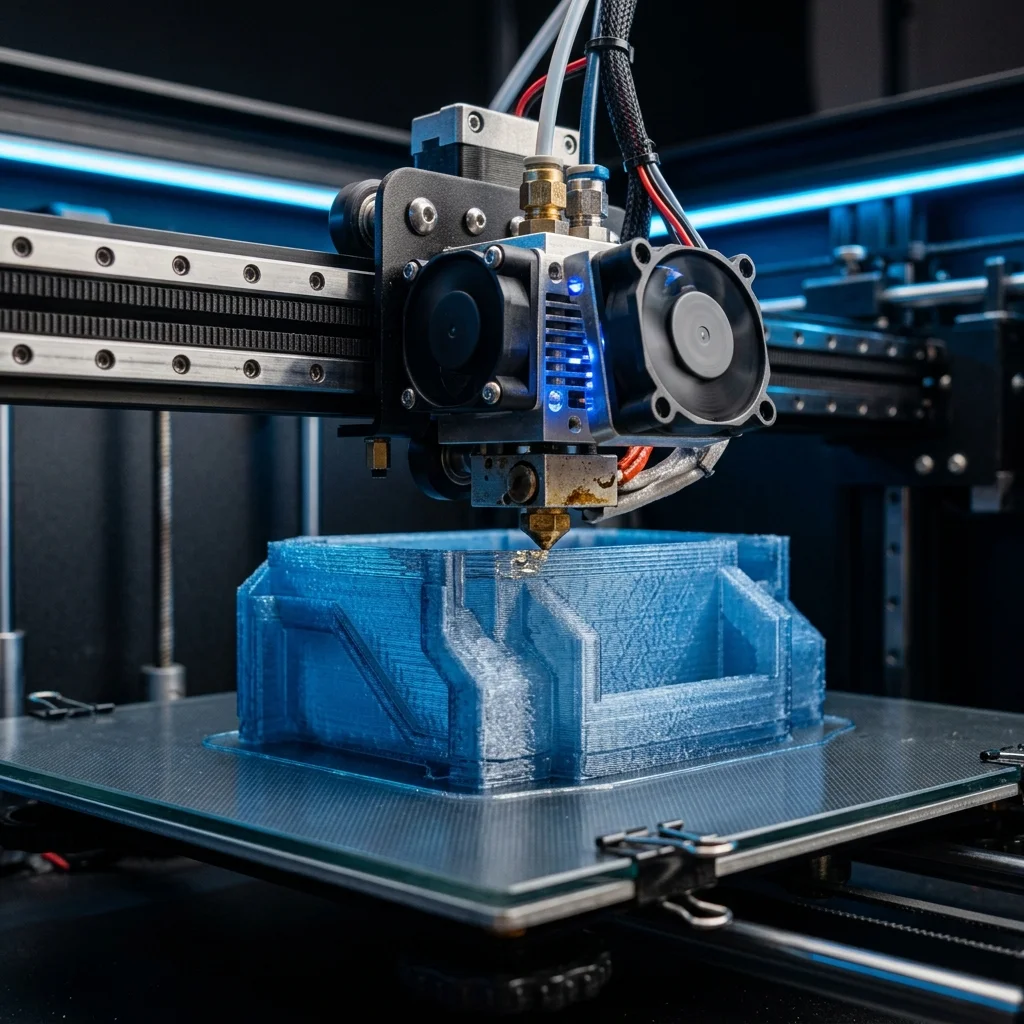
Fused Deposition Modeling (FDM) is one of the most accessible and popular 3D printing technologies. When combined with PP (Polypropylene), this technology opens doors to creating extremely strong, flexible, and chemically resistant parts.
Polypropylene is among the most widely used plastics in the industry, thanks to its unique properties. In this guide, we will explore everything you need to know about printing with FDM and PP.
Basics of FDM Technology and PP
FDM technology works by extruding melted thermoplastic material layer by layer. This enables fast and cost-effective production of prototypes and functional parts.
PP (Polypropylene) fits perfectly into this ecosystem as it offers incredible flexibility, fatigue resistance, and lightness. The material is ideal for creating living hinges and chemical containers.
Despite its advantages, printing with PP can be challenging due to its high tendency to shrink and warp during cooling.
-
High Flexibility: PP is extremely durable against repeated bending and deformation.
-
Chemical Resistance: It withstands most acids, bases, and organic solvents.
-
Low Density: Parts are lightweight, making it ideal for the automotive and aerospace industries.
Recommended 3D Printers for PP
Successful printing with Polypropylene requires a printer that can maintain a stable temperature and has a suitable build surface. An enclosed chamber is highly recommended.
Here are a few proven models that excel with this material:
-
Prusa Research i3 MK4: A highly reliable printer with precise extrusion, suitable for smaller PP parts when using an appropriate adhesion surface.
-
Bambu Lab X1-Carbon: Features an enclosed chamber and active filtering, which helps reduce temperature fluctuations and print warping.
-
UltiMaker S7: A professional printer with a flexible build plate and excellent material profile integration, perfect for industrial PP applications.
Recommended Material Brands and Applications
Choosing a quality filament is critical to the success of your project. High-quality PP filaments have better adhesive properties and less tendency to warp.
-
Formfutura Centaur PP: Known for its ease of printing and excellent layer strength.
-
BASF Ultrafuse PP: Industrial-grade material with exceptional chemical and mechanical resistance.
Typical applications of PP include manufacturing packaging, liquid containers, living hinges, and automotive components.
Common Pitfalls and Costs
The biggest challenge with PP is bed adhesion. The material often fails to stick to standard surfaces like PEI or glass. It is recommended to use specific PP tape or specialized adhesives.
Temperature settings are also vital. The extruder usually needs to be set between 220°C and 240°C, and the bed around 80°C – 100°C.
Expected Costs: The average price for PP filament is around 40 to 70 EUR per kilogram. This makes it relatively affordable for a specialized engineering material.
Extruder Temperature: 220°C – 240°C
Bed Temperature: 80°C – 100°C
Print Speed: 30 – 50 mm/s
Cooling: 0% – 20% (very low or off)
Frequently Asked Questions (FAQ)
Interactive Analyzer for 3D Printing With Fdm And Pp (Polypropylene): Complete Guide
Select a profile to view detailed analysis.
The full picture
This article is one page from The Big Book of 3D Printing: 704 illustrated pages covering every technology, material and fix in one reference.
Read it on Kindle →Engineer, author of The Big Book of 3D Printing and additive manufacturing expert