

Manufacturing these parts requires precision and the right choice of technologies. 3D printing offers flexibility to create customized solutions quickly and efficiently. This guide covers the main steps, materials, and costs.
Pros and Cons
When choosing a technology and materials, consider the following pros and cons:
- Pros: Speed, low cost, high customizability, and easy access.
- Cons: Need for support structures, requires calibration for maximum precision.
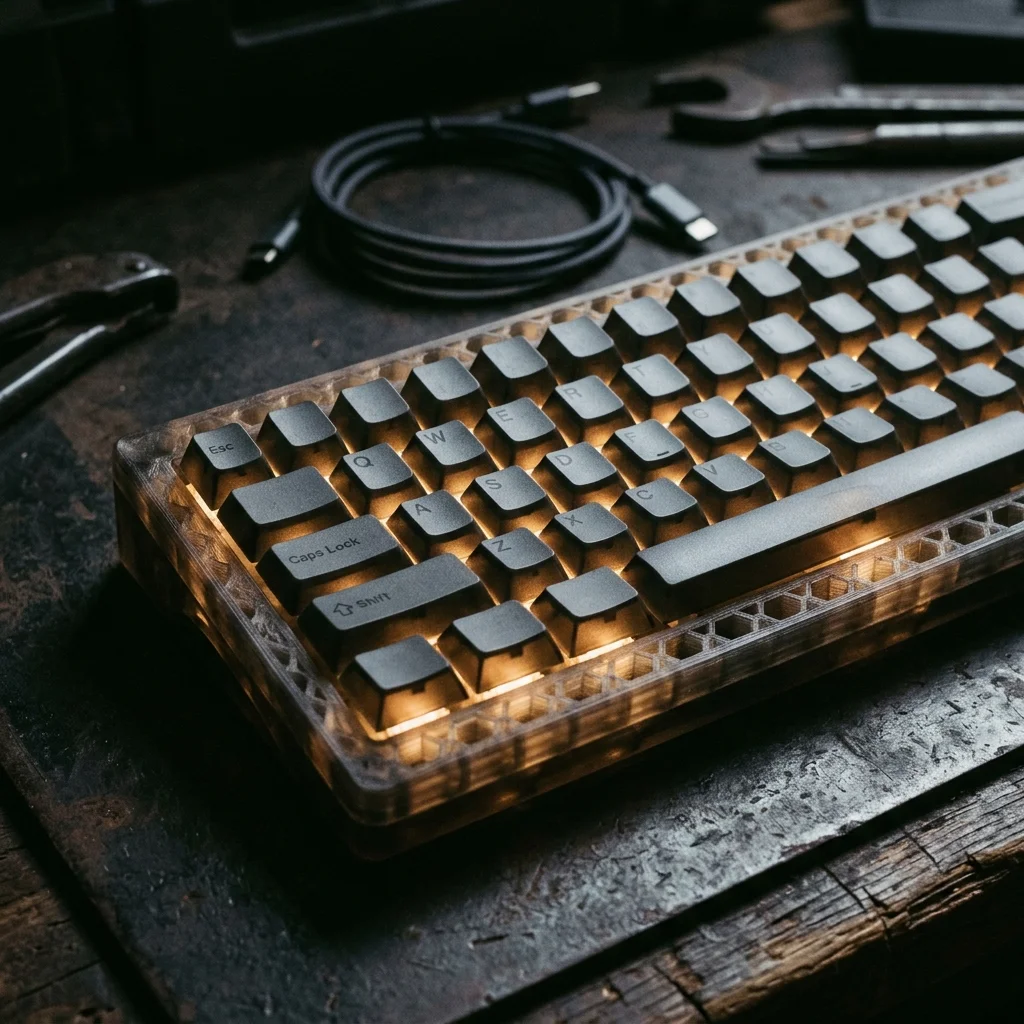
Check out this real-world example:
This model demonstrates the high detail quality that can be achieved.
Workflow and Costs
The fabrication process is structured as follows:
- Step 1: Design and modeling in CAD software.
- Day 1: Slicing the file and starting the print.
- Day 2: Post-processing and finishing.
Estimated costs for a typical project:
- Hardware amortization: 20
- Materials: 30
- Design: 50
- Total: 100
Frequently Asked Questions (FAQ)
Interactive Analyzer for Electronics Decorative Elements
Select a profile to view detailed analysis.
The full picture
This article is one page from The Big Book of 3D Printing: 704 illustrated pages covering every technology, material and fix in one reference.
Read it on Kindle →Engineer, author of The Big Book of 3D Printing and additive manufacturing expert