

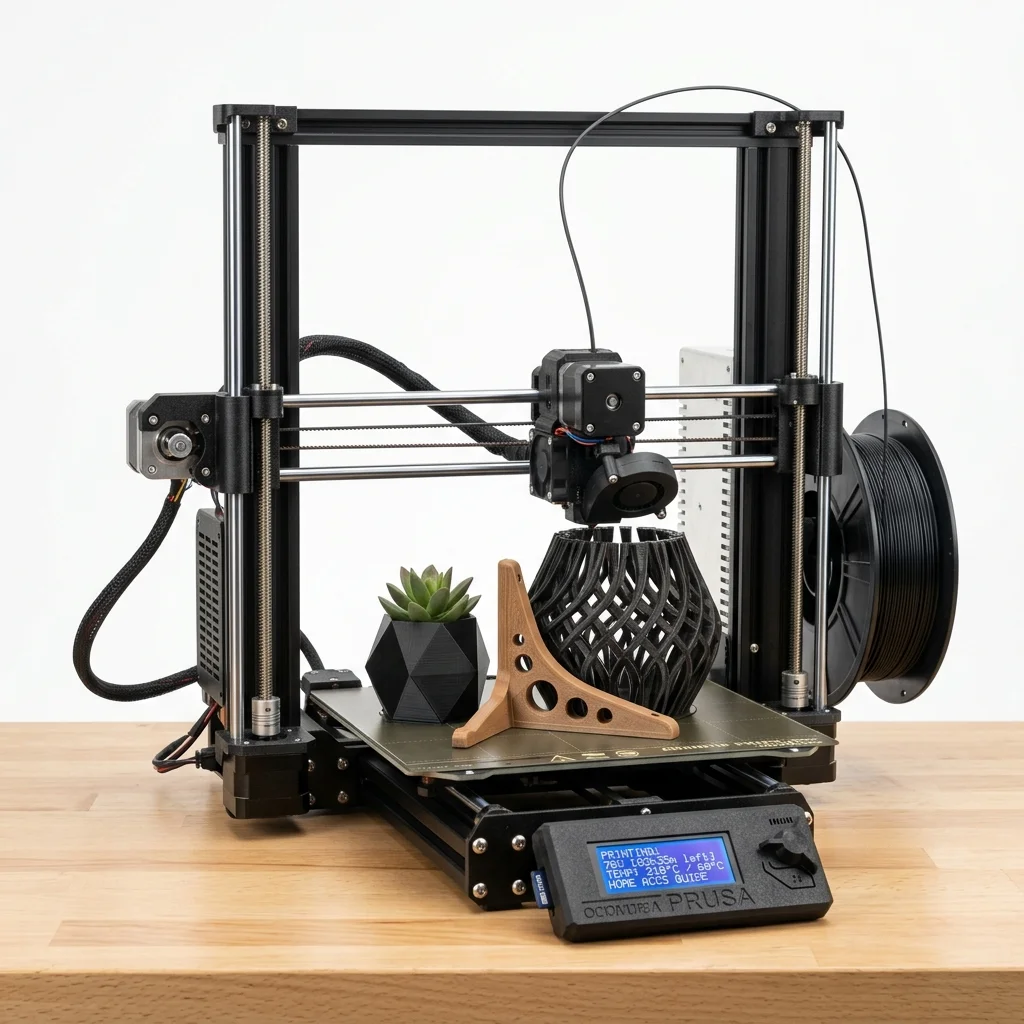
3D printing has become an innovative way to create home accessories, allowing users to express their creativity and solve everyday problems. In this guide, we will explore the basic requirements, recommended technologies, printers, and materials needed for creating home accessories through 3D printing.
Typical Requirements
When creating home accessories through 3D printing, it’s essential to consider some basic requirements. Pros:
- Flexibility and creativity in design
- Personalization possibilities
- Low costs for small quantities. Cons:
- Limited speed for mass production
- Need for specialized equipment and knowledge.
Recommended Technologies and Printers
Some recommended technologies for 3D printing home accessories include FDM (Fused Deposition Modeling), SLA (Stereolithography), and MSLA (Masked Stereolithography). Recommended printers include:
- FDM-1: ideal for large and detailed models
- FDM-2: suitable for smaller and more complex designs
- MSLA-1: used for high-quality details and textures
- MSLA-2: optimized for faster production and lower costs.
Recommended Materials
The choice of materials for 3D printing home accessories depends on the specific requirements of the project. Some popular materials include PLA, ABS, PETG, and rubber blends. Material costs can vary depending on the project:
- Investment: 5000
- Training: 1000
- Total: 6000
Real-World Examples and Cost Expectations
Some real-world examples of home accessories created through 3D printing include personalized cups, phone holders, and decorative elements. Cost expectations can range from low to high, depending on the complexity of the project and the chosen material. Step 1: Define the project and necessary materials Step 2: Choose the appropriate technology and printer Step 3: Design and print the model
Common Challenges
Some common challenges in 3D printing home accessories include technological limitations, material quality, and the need for equipment maintenance. Day 1: Assess equipment and materials Day 2: Prepare and print the model Day 3: Assemble and test the finished product
Frequently Asked Questions (FAQ)
Home Accessories 3D Printing Guide Calculator
Interactive optimization calculator.
The full picture
This article is one page from The Big Book of 3D Printing: 704 illustrated pages covering every technology, material and fix in one reference.
Read it on Kindle →Engineer, author of The Big Book of 3D Printing and additive manufacturing expert