

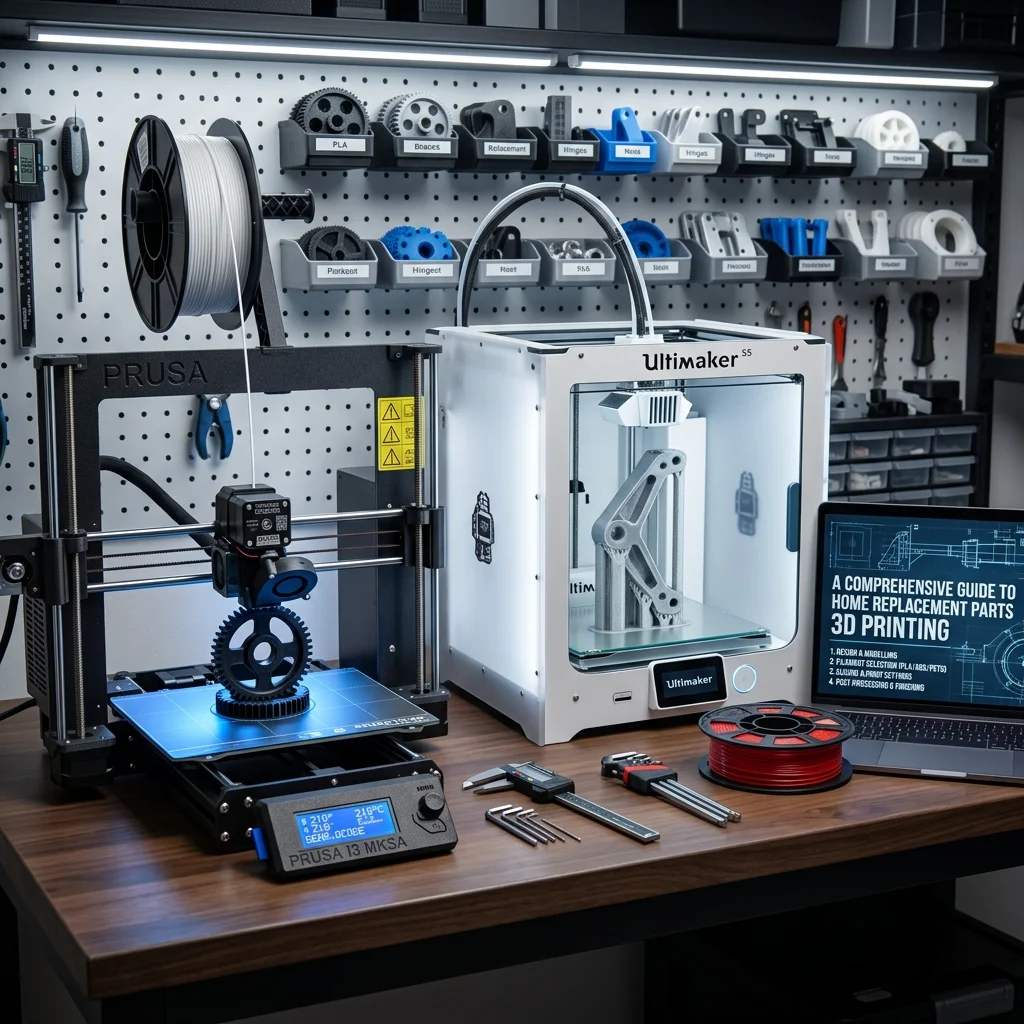
The advent of 3D printing technology has transformed the way we approach home maintenance and repair. With the ability to create custom replacement parts, homeowners can now save time and money by printing their own spare parts. In this guide, we will look at the world of home replacement parts 3D printing, exploring the typical requirements, recommended technologies, printers, and materials. We will also examine real-world examples, cost expectations, and common challenges associated with this innovative approach.
Understanding the Requirements
Before diving into the world of 3D printing replacement parts, it’s essential to understand the typical requirements. These include:
 - A clear understanding of the part's design and functionality
 - Access to a 3D modeling software or a pre-made design file
 - A 3D printer capable of producing parts with the desired level of precision and durability
 - Suitable printing materials that meet the part's functional and aesthetic requirements
 Pros:

 - Cost-effective solution for rare or obsolete parts
 - Ability to create custom designs and modifications
 - Environmentally friendly, as it reduces the need for new raw materials and minimizes waste
 Cons:

 - Requires initial investment in 3D printing equipment and software
 - May require significant time and effort to design and test the part
Recommended Technologies and Printers
When it comes to 3D printing home replacement parts, several technologies and printers stand out for their precision, durability, and ease of use. These include:
 - FDM (Fused Deposition Modeling) printers, such as the Prusa i3 or the Monoprice Select Mini
 - MSLA (Masked Stereolithography) printers, such as the Form 2 or the Elegoo Mars
 - SLA (Stereolithography) printers, such as the Form 3 or the Prusa SL1
 Recommended printers include:

 - FDM-1: Prusa i3
 - FDM-2: Monoprice Select Mini
 - MSLA-1: Form 2
 - MSLA-2: Elegoo Mars
Choosing the Right Materials
The choice of printing material is crucial when creating replacement parts, as it directly affects the part’s functionality, durability, and aesthetic appeal. Common materials used for 3D printing replacement parts include:
 - PLA (Polylactic Acid) for its biodegradability and low warping
 - ABS (Acrylonitrile Butadiene Styrene) for its impact resistance and high temperature tolerance
 - PETG (Polyethylene Terephthalate Glycol) for its strength, flexibility, and chemical resistance
 - Metal-filled filaments for added strength and weight
Real-World Examples and Cost Expectations
From replacing broken appliance parts to creating custom phone cases, the applications of 3D printed replacement parts are vast and varied. Some real-world examples include:
 - Printing a replacement part for a broken vacuum cleaner, saving $50 compared to buying a new one
 - Creating a custom phone case with a built-in card holder, costing $10 in materials
 The cost of 3D printing replacement parts can vary greatly, depending on the printer, materials, and design complexity. A rough estimate of the costs involved is:

 - Investment: 500
 - Training: 100
 - Materials: 200
 - Total: 800
Common Challenges and Solutions
While 3D printing replacement parts can make a real difference, it’s not without its challenges. Common issues include:
 - Warping or delamination of the printed part
 - Inaccurate or incomplete designs
 - Insufficient material strength or durability
 To overcome these challenges, it's essential to:

 - Use high-quality printing materials and follow proper printing techniques
 - Invest in a reliable and accurate 3D printer
 - Continuously test and refine the design and printing process
Frequently Asked Questions (FAQ)
Interactive Analyzer for A Guide To Home Replacement Parts 3D Printing
Select a profile to view detailed analysis.
The full picture
This article is one page from The Big Book of 3D Printing: 704 illustrated pages covering every technology, material and fix in one reference.
Read it on Kindle →Engineer, author of The Big Book of 3D Printing and additive manufacturing expert