

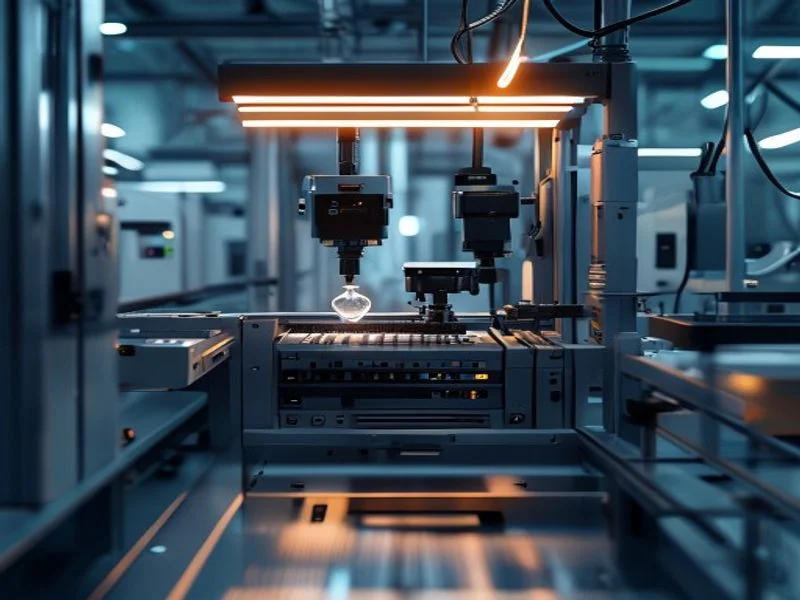
This guide covers everything you need to know about Meditsinski Dzhigove. Using modern 3D printing technologies, the creation becomes easier, faster, and more economical. From industrial to consumer applications, making the right choice of method and material is critical to project success.
Requirements and Technologies
Typical requirements for this type of project include durability, functionality, and high part accuracy.
Recommended printers: sla-2, 2, 3, sls-2, msla-1, msla-2, mjf-1, mjf-2, dlp-3, dlp-1 Recommended materials: bio-r-1, bio-r-2, med-1, med-2, pa12-1, pa12-2
Pros:
- Exceptional accuracy and fast prototyping
- Significant reduction in part weight
- High degree of customization for every request
Cons:
- Relatively high initial cost for equipment
- Process requires specialized engineering knowledge
- Limited material choices for some budget-friendly printers
Workflow
Step 1: Design and preparation of the 3D model. Step 2: Slicing – setting parameters. Step 3: 3D printing – the actual process. Step 4: Post-processing – cleaning and finish.
Cost and Investment
Creating high-quality results requires a clear budget.
- Equipment Investment: 5000
- Staff Training: 1000
- Total: 6000
Frequently Asked Questions (FAQ)
Meditsinski Dzhigove Calculator
Interactive optimization calculator.
The full picture
This article is one page from The Big Book of 3D Printing: 704 illustrated pages covering every technology, material and fix in one reference.
Read it on Kindle →Engineer, author of The Big Book of 3D Printing and additive manufacturing expert