

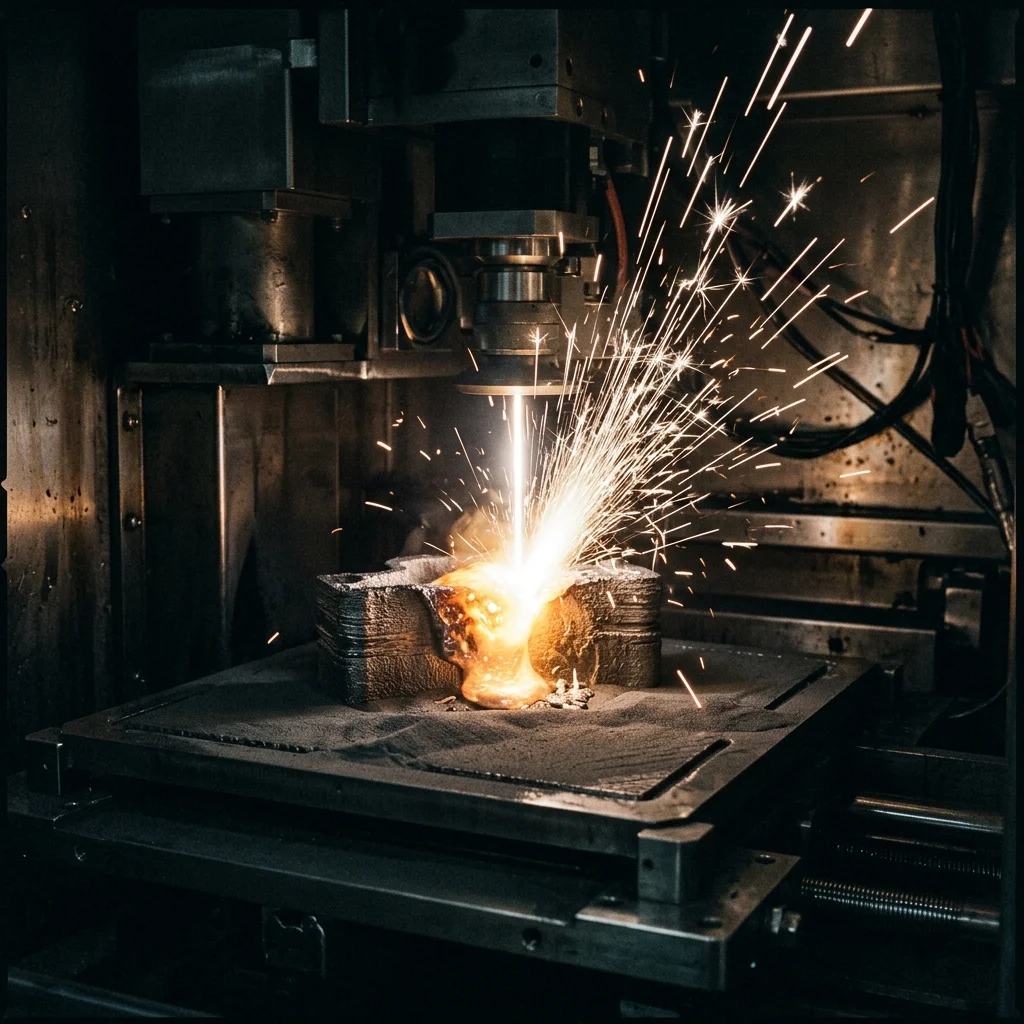
SLM Solutions (now part of Nikon) is a global leader and pioneer in Selective Laser Melting (SLM) technology. Based in Germany, the company specializes in developing and manufacturing industrial systems for 3D printing metal parts. Their solutions transform manufacturing processes in industries such as aerospace, automotive, energy, and healthcare, enabling the creation of complex, lightweight, and exceptionally strong metal components.
Company Background and Development
SLM Solutions boasts a rich history, tracing its roots back to pioneering developments in laser technologies and rapid prototyping in the 1990s. The company was among the first to commercialize the process of melting metal powder using lasers. Over the years, they have continuously introduced innovations, being among the first to implement multi-laser technology to drastically increase print speed and productivity. Their dedication to open architecture allows users to adapt print parameters to their specific material and production needs.
Product Portfolio: Printers and Materials
SLM Solutions offers high-end systems designed for serial production and research applications.
3D Printers: One of their most established machines is the SLM 280 2.0. This is a mid-sized industrial system ideal for manufacturing medium to large-sized metal parts. The printer offers single or dual-laser configurations, effectively doubling the build rate. It is equipped with a patented bi-directional powder coating system, which minimizes non-productive time between layers. The machine delivers high-quality details and is suitable for both prototyping and end-use production.
Materials: The SLM technology is compatible with a wide array of metals, but one of the most popular and widely used is AlSi10Mg (Aluminum). This aluminum alloy is characterized by excellent thermal properties, low weight, and good mechanical strength. It is highly suitable for the automotive and aerospace industries, where weight reduction of components is critical. The material allows for the construction of parts with thin walls and complex internal lattice structures that are impossible to manufacture using traditional methods.
Target Audience
The systems from SLM Solutions are aimed exclusively at industrial users, research institutes, and R&D centers. Their core customer base includes companies in the aerospace sector, automotive manufacturing, energy production, and the manufacturing of medical implants. The technology is ideal for organizations that need to produce complex geometric parts, perform topology optimization, or consolidate multiple assemblies into a single continuous component.
Strengths and Weaknesses
Strengths:
- High Productivity: Multi-laser systems significantly reduce the production time for metal parts.
- Open Architecture: The systems allow full control over laser and process parameters, which is invaluable for the development of new materials.
- Exceptional Precision: The technology ensures high part density (over 99.9%) and excellent mechanical properties comparable to forged or cast metals.
- Wide Material Compatibility: Supports titanium, aluminum, Inconel, cobalt-chrome, and various types of tool and stainless steel.
Weaknesses:
- High Initial Investment: The machines cost hundreds of thousands of euros, making them inaccessible for small businesses or hobbyists.
- Infrastructure Requirements: Installation requires dedicated facilities with controlled environments, inert gas (argon/nitrogen) handling systems, and strict safety protocols for handling fine metal powders.
- Complex Post-Processing: Metal printed parts often require thermal treatment to relieve internal stresses, as well as mechanical removal of support structures.
Where to Buy in Bulgaria
Purchasing industrial systems of SLM Solutions’ caliber is typically done through direct contact with the company or through their official certified integrators and distributors for Eastern Europe. The acquisition process involves detailed consultations, analysis of the client’s specific production needs, as well as on-site installation and staff training.
Similar Brands
The main competitors of SLM Solutions in the metal 3D printing (PBF – Powder Bed Fusion) market are:
- EOS: One of the largest manufacturers of DMLS and SLS systems.
- Concept Laser (GE Additive): Pioneers in LaserCUSING technology.
- Renishaw: A British company specializing in precision measurement and metal additive manufacturing systems.
- Trumpf and 3D Systems: Leading players in industrial laser and 3D technologies.
Frequently Asked Questions (FAQ)
Slm Solutions: Industrial Metal 3D Printing & Innovation Calculator
Interactive optimization calculator.
The full picture
This article is one page from The Big Book of 3D Printing: 704 illustrated pages covering every technology, material and fix in one reference.
Read it on Kindle →Engineer, author of The Big Book of 3D Printing and additive manufacturing expert