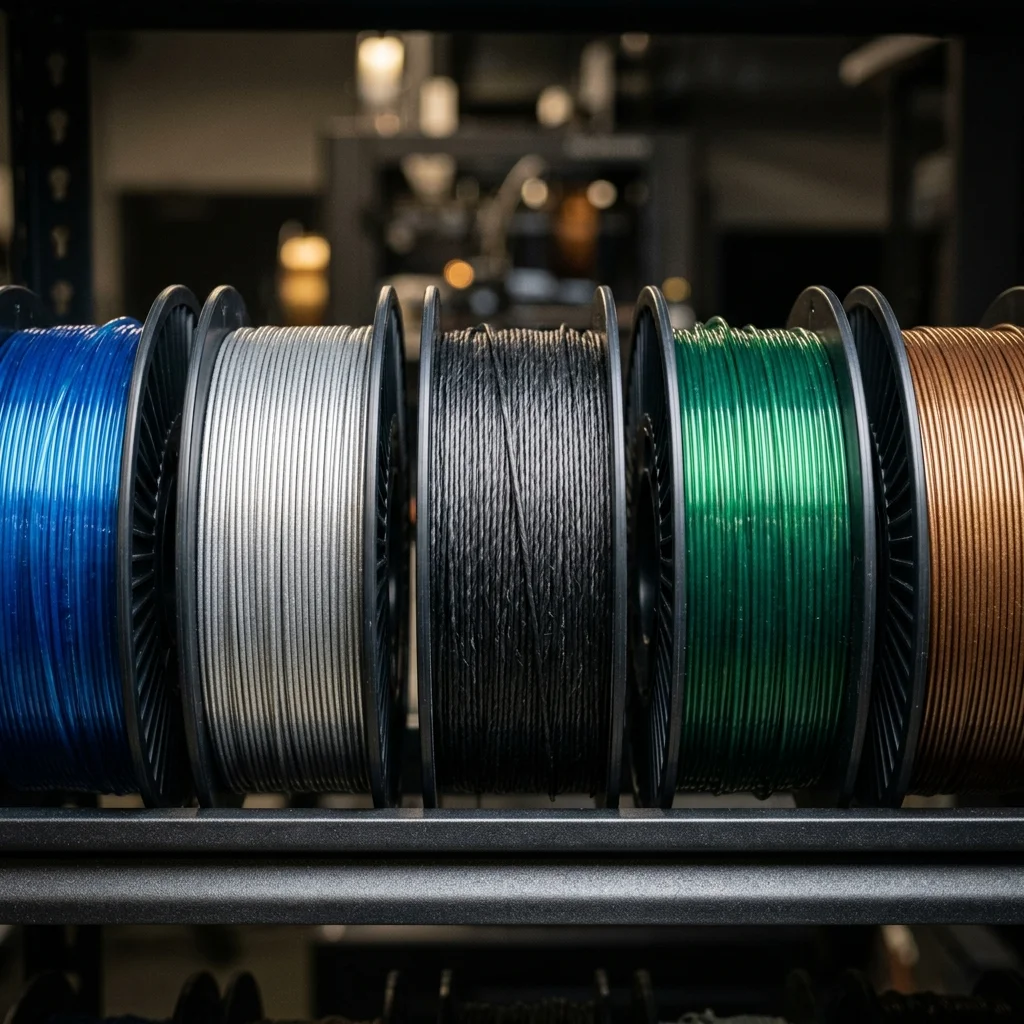
Fiberlogy is a well-known European brand that offers high-quality filaments for FDM/FFF 3D printing. With its production based in Poland, the company stands out with exceptional quality control and innovative materials.
The brand is a preferred choice for both hobbyists and professionals looking for reliable and repeatable results.
Company History and Development
Fiberlogy was established in Poland with the clear goal of providing the market with filaments that meet the highest industrial standards. From its inception, they have invested in modern extrusion lines and strict testing procedures.
Today, they are one of the leading manufacturers in Europe, famous for their stunning colors and specialized polymers. Their philosophy revolves around precision and innovation.
Product Portfolio: Materials
Fiberlogy does not manufacture 3D printers, but entirely focuses on creating premium consumables. Their range includes materials for both everyday use and specific engineering needs.
-
Fiberlogy PETG: An excellent balance between strength and ease of printing, suitable for functional parts and prototypes.
-
Fiberlogy PCTG: An upgraded alternative to PETG, offering higher impact strength and optical clarity.
-
Fiberlogy Smooth PVB: A unique material that can be smoothed with isopropyl alcohol (IPA) to achieve glass-like, layer-free surfaces.
Popular Filament Specifications
Printing Temperature PETG: 230°C – 250°C
Bed Temperature PETG: 90°C
Printing Temperature Smooth PVB: 200°C – 215°C
Bed Temperature Smooth PVB: 75°C
Who is the Brand For?
Fiberlogy products are ideal for makers, engineers, and designers who do not compromise on quality. They are especially suitable for users looking for specific visual effects (like with Smooth PVB) or enhanced mechanical strength (PCTG).
Beginners will also appreciate their ease of printing and excellent bed adhesion.
Strengths and Weaknesses
Like any brand, Fiberlogy has its strengths and areas where it faces tough competition. Let’s look at the main pros and cons.
-
Exceptional Quality: Consistent filament diameter and lack of impurities.
-
Unique Materials: Innovative solutions like Smooth PVB for alcohol smoothing.
-
Higher Price: Compared to budget Chinese brands, Fiberlogy is positioned in a higher price segment.
-
Availability: Sometimes specific colors may be out of stock at local dealers.
Where to Buy?
Fiberlogy filaments can be found at most specialized 3D equipment retailers globally. Official distributors often carry the full range of materials and colors.
Check well-established online 3D printing stores to find the best deals and stock availability in your region.
Similar Brands and Alternatives
If you like Fiberlogy, you might want to look at other European manufacturers with a similar focus on quality. These brands offer a comparable level of precision and variety.
-
Prusament: A Czech brand known for its perfect winding and strict diameter control.
-
Fillamentum: Another leading European brand offering beautiful colors and specialized materials.
-
Formfutura: A Dutch manufacturer with a wide selection of industrial and hobby filaments.
Frequently Asked Questions (FAQ)
Official Fiberlogy Brand Overview – 3D Materials Calculator
Interactive optimization calculator.
The full picture
This article is one page from The Big Book of 3D Printing: 704 illustrated pages covering every technology, material and fix in one reference.
Read it on Kindle →Engineer, author of The Big Book of 3D Printing and additive manufacturing expert
Updated on 27 June 2026
This article was written with AI assistance; the facts were checked against the sources on 27 June 2026.