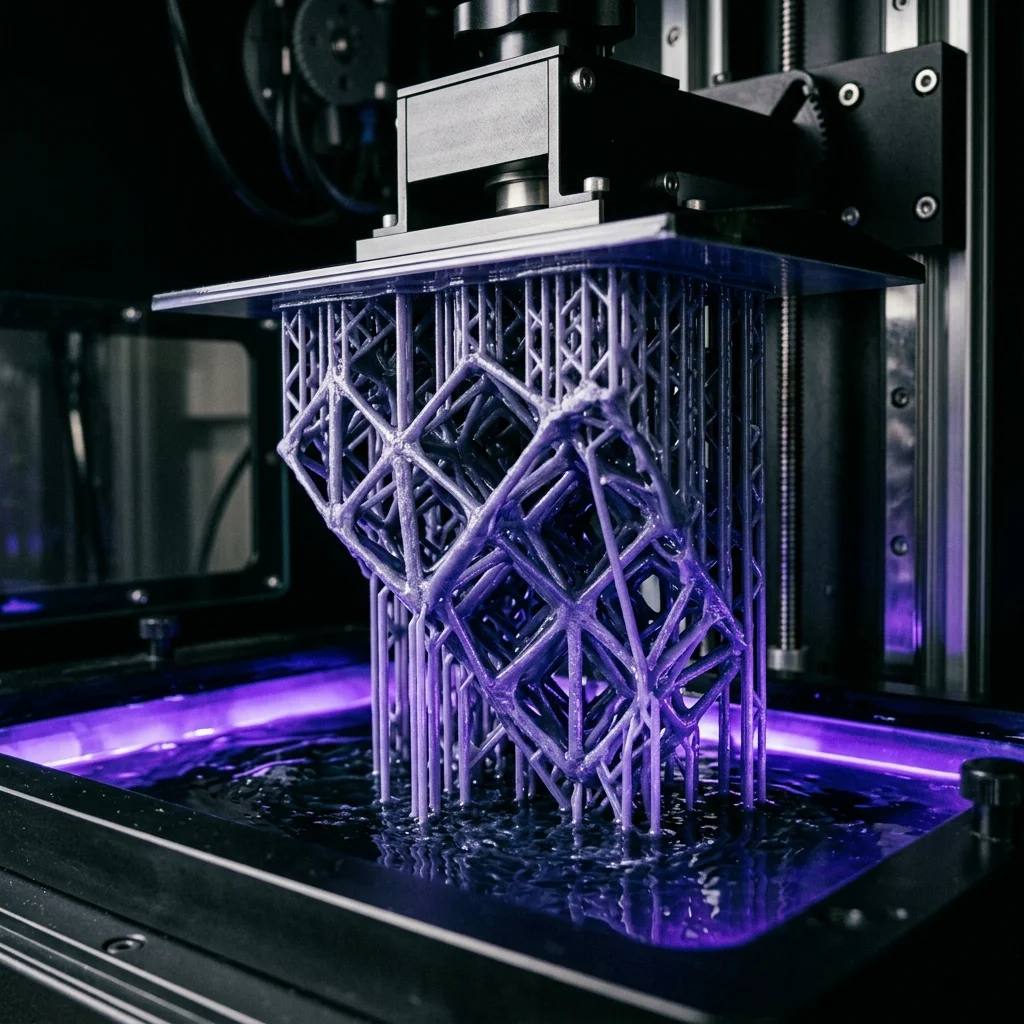
When the blazing speed of CLIP/DLS technology meets the mechanical properties of Tough and Engineering resins, the result is the ability to directly manufacture end-use parts. These materials are engineered to withstand stress, impact, and fatigue. This guide explores how to leverage this combination for functional manufacturing.
Why Tough Resins Matter for CLIP
Historically, resin 3D printed parts were brittle and relegated to visual prototyping. Tough and Engineering resins changed that paradigm. When used with Carbon’s CLIP/DLS technology, the parts produced are isotropic: meaning they possess equal strength in the X, Y, and Z axes. The continuous printing process bonds the polymer chains without distinct layer boundaries, resulting in parts that rival the strength and durability of injection-molded plastics.
Carbon Machines for Engineering Applications
To fully utilize high-performance engineering resins, precise hardware is required:
Carbon Carbon M3: The workhorse for high-precision functional components, gears, and automotive brackets where tight tolerances are mandatory.
Carbon Carbon M3 Max: Provides the build volume necessary for producing larger functional prototypes, housings, and custom manufacturing jigs in a single print.
Carbon Carbon L1: Built for high-volume factory floors. The L1 is utilized by major brands to manufacture thousands of durable end-use components every week.
Leading Tough / Engineering Resin Brands
Selecting the right engineering resin depends on your mechanical requirements:
Formlabs Tough 2000: Formulated to simulate the strength and stiffness of ABS plastic. It is an industry standard for rugged prototyping and mechanical assemblies.
Siraya Tech Blu: A highly acclaimed engineering resin known for its outstanding impact resistance, high tensile strength, and affordability.
Liqcreate Tough: A premium industrial-grade resin designed for long-term durability and resistance to wear and tear.
Typical Use Cases
The combination of DLS and Tough resins is widely adopted in the automotive, aerospace, and consumer electronics sectors. Common applications include creating custom jigs, fixtures, and tooling for assembly lines, snap-fit enclosures, functional hinges, and on-demand spare parts that must endure heavy daily use.
Challenges When Printing Tough Resins
Engineering resins can be demanding to work with:
Warping and Shrinkage: Tough resins can experience significant shrinkage during the UV post-curing phase. Proper part orientation (typically angled at 45 degrees) and robust support structures are essential.
Difficult Support Removal: Because the material is inherently tough, removing supports after the part is fully cured can be difficult and leave scarring. It is highly recommended to snip away supports before the final post-cure.
Frequently Asked Questions (FAQ)
Interactive Analyzer for Guide To 3D Printing With Clip / Dls And Tough / Engineering Resins
Select a profile to view detailed analysis.
The full picture
This article is one page from The Big Book of 3D Printing: 704 illustrated pages covering every technology, material and fix in one reference.
Read it on Kindle →Engineer, author of The Big Book of 3D Printing and additive manufacturing expert
Updated on 11 September 2026
This article was written with AI assistance; the facts were checked against the sources on 11 September 2026.