

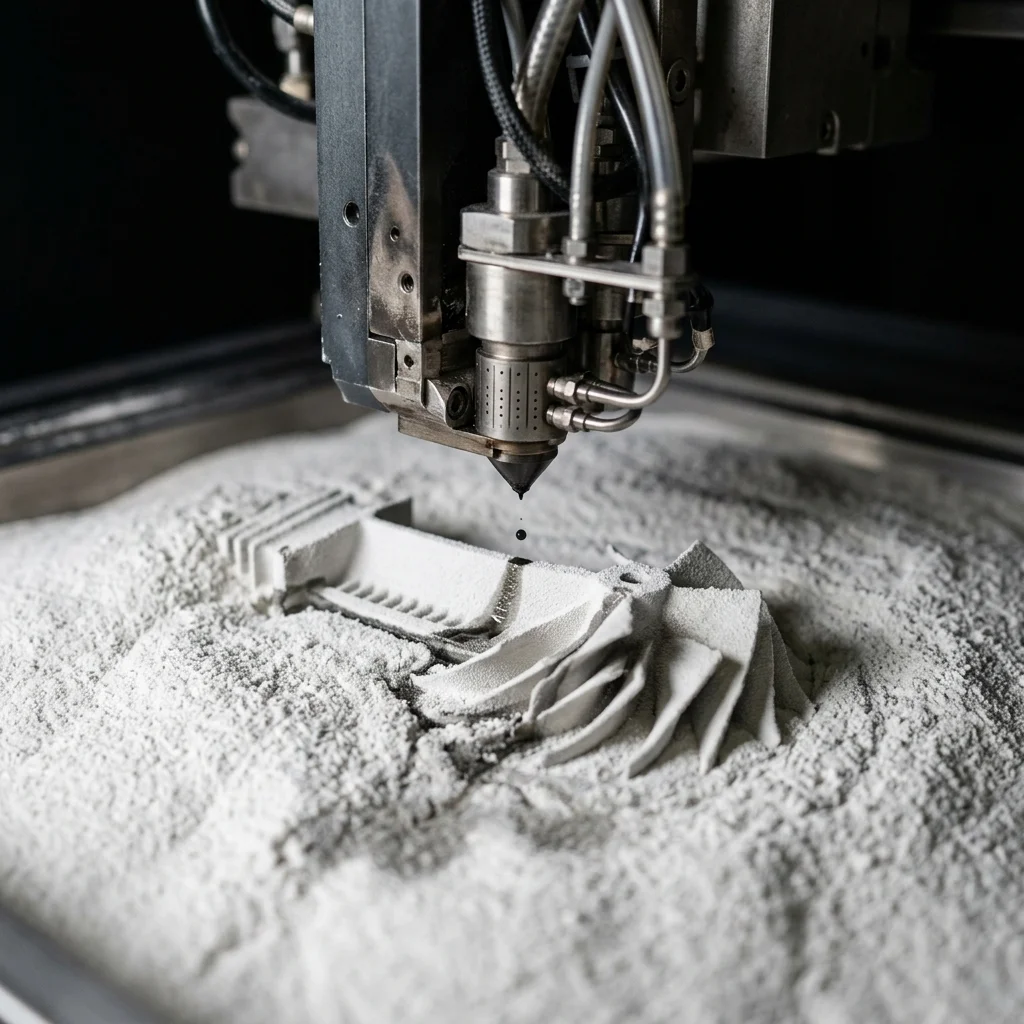
Binder Jetting technology opens new doors for manufacturing complex technical ceramic parts without the need for molds or expensive tooling.
The process involves selectively depositing a liquid binding agent onto layers of ceramic powder, followed by debinding and sintering. This approach is highly effective for mass producing complex geometries that traditional methods simply cannot achieve.
Why Technical Ceramics Fit Binder Jetting Perfectly
Ceramic powders possess excellent thermal and chemical resistance, making them ideal for this tech. Binder Jetting allows building parts without support structures, as the unbound powder acts as support.
-
Thermal Resistance: Withstands extreme temperatures without deformation.
-
Chemical Resistance: Perfect for aggressive environments and chemicals.
-
Complex Geometry: Allows the creation of internal channels and intricate shapes.
Recommended Printers
Choosing the right printer is critical to your printing success. Here are some of the best Binder Jetting machines for technical ceramics.
-
Desktop Metal Production System P-50: Industrial system for rapid and reliable mass production.
-
ExOne S-Max: Proven reliability with capabilities to print large-scale components.
-
HP Metal Jet S100: High productivity and precision for volume manufacturing.
Popular Ceramic Materials
The market offers a variety of high-quality materials ensuring strength and precision.
-
3DCeram 3D Mix Alumina: Features high density and outstanding mechanical strength.
-
Zortrax Alumina 4N: High purity (99.99%) for specialized applications.
-
Tethon 3D Porcelain: Suitable for fine and highly detailed artistic creations.
Specifications and Technical Parameters
It is important to follow specific temperature profiles during the firing process.
Sintering Temperature: 1500°C – 1700°C
Shrinkage: Approximately 15-20% after sintering
Cost Estimate: $50 – $150 per part
Frequently Asked Questions (FAQ)
Ultimate Guide To 3D Printing Technical Ceramics With Binder Jetting Calculator
Interactive optimization calculator.
The full picture
This article is one page from The Big Book of 3D Printing: 704 illustrated pages covering every technology, material and fix in one reference.
Read it on Kindle →Engineer, author of The Big Book of 3D Printing and additive manufacturing expert