

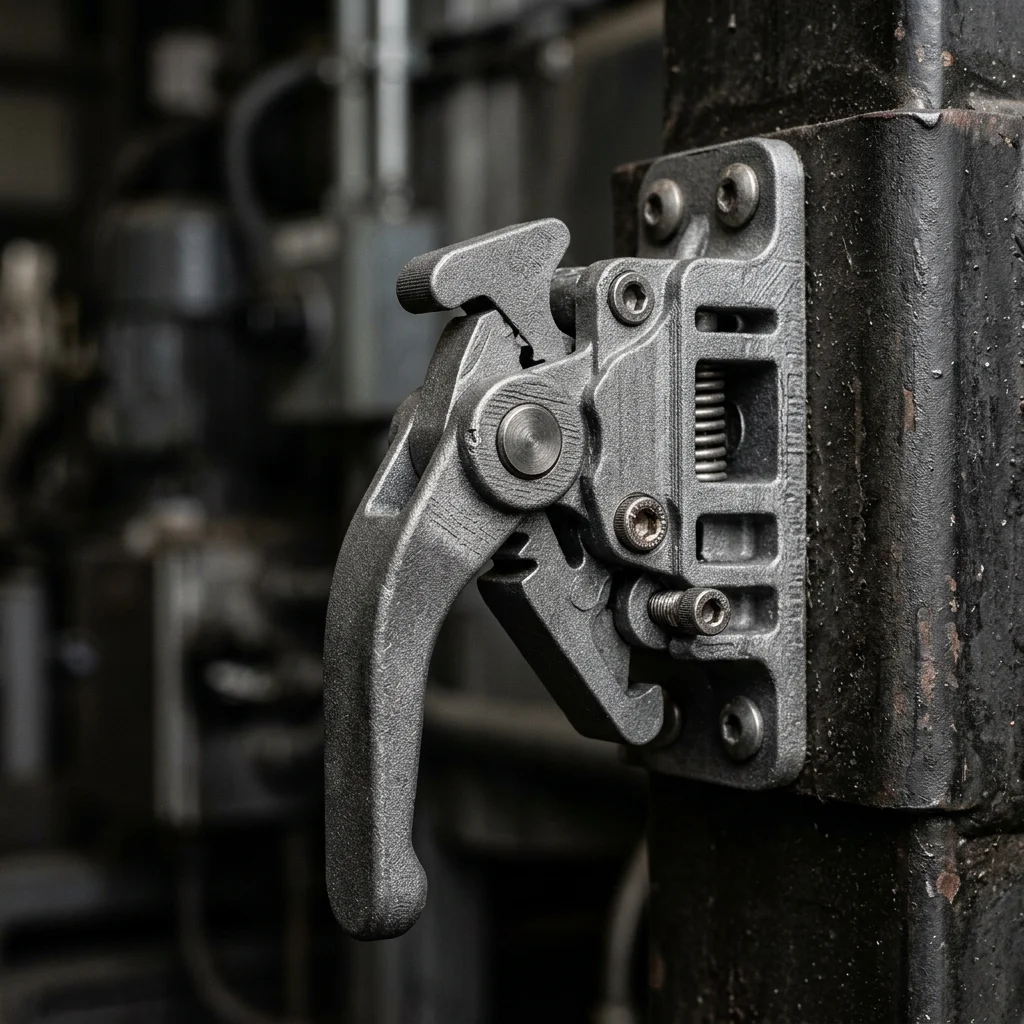
Multi Jet Fusion (MJF) is a leading technology in industrial 3D printing, known for its rapid production and high consistency. When utilizing specialized powders like PA11 and Alumide, you unlock new levels of mechanical and thermal resilience.
PA11 offers excellent ductility and chemical resistance, whereas Alumide (an aluminum-filled polyamide) provides high stiffness and a unique metallic finish. In this guide, we will look at these materials, the best systems to use, and their ideal applications.
Benefits of PA11 and Alumide in MJF
Both materials bring specific advantages to industrial manufacturing, synergizing perfectly with the speed of MJF.
PA11 is a bio-based polymer that outshines standard PA12 in impact resistance and flexibility. Alumide, on the other hand, is perfect for parts requiring high thermal stability and excellent machinability.
-
Eco-Friendly: PA11 is derived from castor oil, making it a more sustainable choice for engineering polymers.
-
Metallic Aesthetics: Alumide gives parts a metallic sheen and allows for easy post-machining.
-
High Impact Resistance: PA11 is exceptionally tough and resists fracturing under high stress.
Recommended 3D Printers for MJF
Working with engineering powders requires robust machines capable of precise thermal control across the print bed.
-
HP Jet Fusion 5200: The top-tier system for industrial, high-volume serial production.
-
HP Jet Fusion 5420W: Optimized for producing white parts that can be easily post-processed and dyed.
-
HP Jet Fusion 4200: A reliable machine for flexible manufacturing and rapid iterative prototyping.
Top Material Brands
Several suppliers offer high-quality PA11 and Alumide powders designed specifically for powder-bed fusion.
-
Formlabs Nylon 11 CF: A carbon-fiber-reinforced PA11 for maximum stiffness and lightweight strength.
-
Sinterit PA11 Black: A highly durable material suited for rigorous functional testing.
-
EOS Alumide: The classic choice for aluminum-filled polyamide, offering rigidity and a superb surface finish.
Technical Specifications & Pricing
Tensile Strength (PA11): Around 45-50 MPa, making it suitable for load-bearing applications.
Heat Deflection (Alumide): Withstands significantly higher temperatures (up to 130°C) compared to unfilled polyamides.
Equipment Cost: MJF machines require a serious investment, often exceeding $100,000.
Material Cost: PA11 typically ranges between $90 and $140 per kilogram, with Alumide in a similar bracket.
Powder Recyclability: MJF technology allows for recycling unfused powder, typically at a 70-80% refresh rate.
Frequently Asked Questions (FAQ)
Interactive Analyzer for Printing With Mjf And Pa11 & Alumide: Advanced Guide
Select a profile to view detailed analysis.
The full picture
This article is one page from The Big Book of 3D Printing: 704 illustrated pages covering every technology, material and fix in one reference.
Read it on Kindle →Engineer, author of The Big Book of 3D Printing and additive manufacturing expert